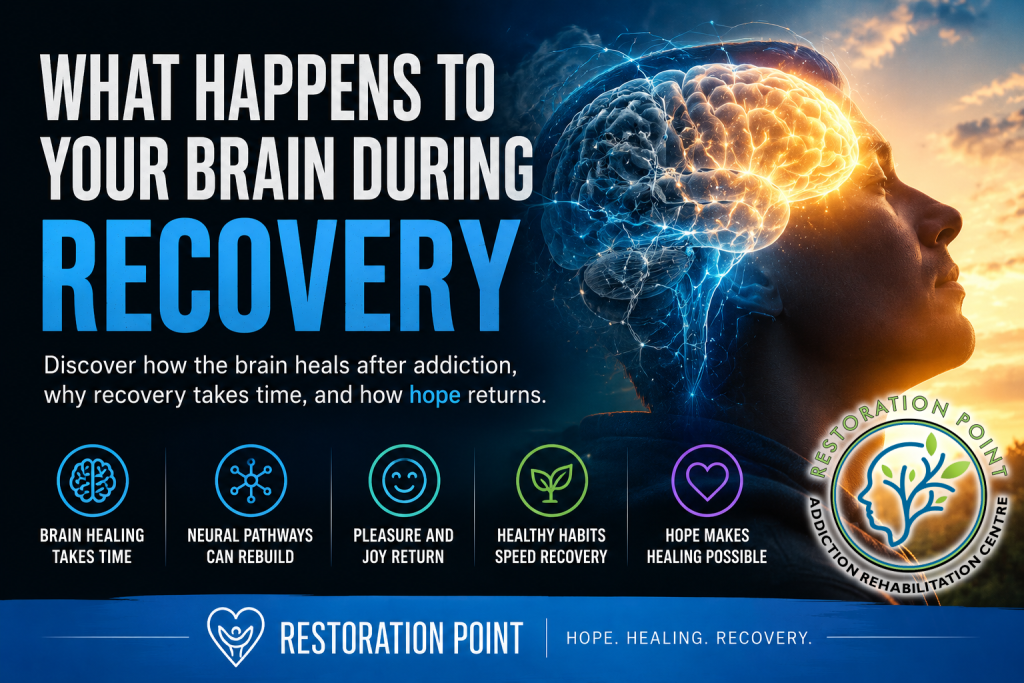
Recovery is more than stopping substance use. It is a process of allowing the brain to rebuild healthy pathways for joy, motivation, connection and emotional wellbeing.
One of the most encouraging truths about recovery is that the brain can heal. Addiction can change the brain in powerful ways, yet many of those changes can improve over time with abstinence, healthy routines and ongoing support.
The brain is adaptable
The brain has a remarkable ability to form new connections and strengthen healthier pathways throughout life. This capacity is often called neuroplasticity. It is why progress is possible even when someone has felt stuck for a long time.
Early recovery may feel frustrating. Anxiety, poor sleep, low motivation, fatigue and difficulty concentrating are common while the brain learns to function without artificial stimulation. These experiences do not automatically mean recovery is failing; they can be part of the healing process.
How addiction affects the brain
Repeated substance use can affect the reward system, decision-making, memory, emotional regulation and the stress response. Large dopamine surges teach the brain to prioritise the substance, while ordinary experiences may begin to feel less rewarding.
- Cravings can become stronger and more automatic.
- Everyday activities may feel dull in early recovery.
- Stress and emotions can be harder to manage at first.
As recovery continues, dopamine pathways can become more balanced. Time with family, music, exercise, nature, meaningful goals and healthy relationships can begin to feel rewarding again.
Supporting the healing process
Prioritise sleep and nutrition
Rest and nourishing food give the brain resources to regulate emotion and repair.
Move your body
Physical activity can support mood and naturally stimulate dopamine, serotonin and endorphins.
Build support
Counselling, peer support and safe relationships help people practise healthier coping skills.
Be patient with your brain
Healing does not follow one timetable. The substance used, length of addiction, physical and mental health, trauma history, age, lifestyle and available support all matter. Some improvements appear within weeks; others continue for months or years.
The brain took time to change during addiction, and it needs time to heal. Progress can sometimes feel slow, but each day of sobriety, healthy choices and supportive relationships helps strengthen new neural pathways. Many people who once believed they would never feel normal again go on to rediscover joy, peace, motivation and purpose.
Healing happens one day at a time
With the right support, people can rediscover joy, peace, motivation and purpose.
Speak to our team